

Heal your inner shopaholic
How to hop off the hamster wheel of trends in 2026

Oh hey and happy new year! You’re reading Not Buying It - the print + digi mag Big Fashion doesn’t want you to read. This month’s issue is all about pressing the brakes on overconsumption. Read on for:
🛍️ The 2000s blueprint for raising a generation of shopaholics
✋ Tips for hitting the pause button (we love a slow fashion resolution!)
🎱 The quiz to take before your next purchase
⭐️ Opps to contribute to print mag #2
If you like what you read, subscribe to get next month’s issue sent straight to your inbox!! 💖
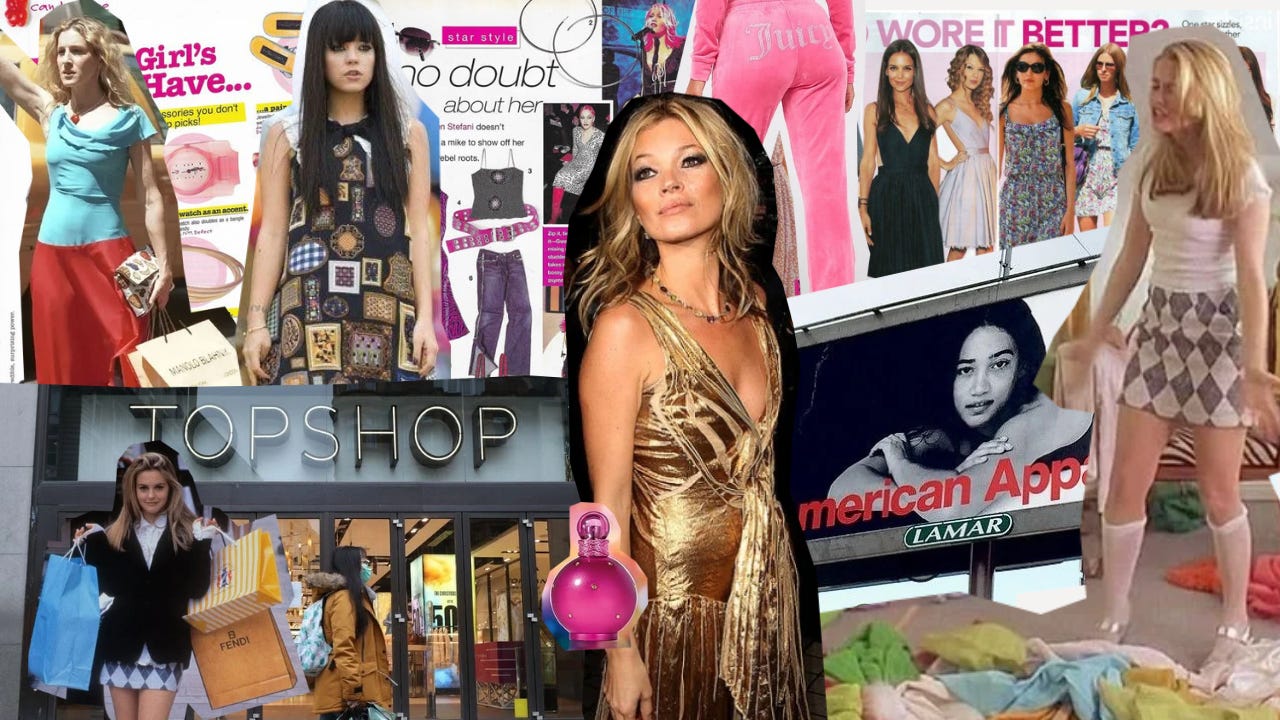
Zara first opened its doors in 1975. By the early 2000s, it had expanded to hundreds of stores around the globe. Its parent company Inditex - created by Zara’s billionaire founder, who else - now also owned Pull&Bear, Bershka and Stradivarius. It was a sign of things to come.
If fast fashion dates back to the 1970s, by the noughties it was the norm. The 2000s accelerated everything it inherited from the late twentieth century: globalisation, trend cycles, ads, monopolies, high street chains and Clueless-style chick flicks.
As 2009’s longest-running number one, Lily Allen’s The Fear captured the obsessions of the last decade: sex, celebs and shopping. Her lyrics “I am a weapon of massive consumption. It’s not my fault, it’s how I’m programmed to function” feel a bit too relevant. Because they are! The 00s wrote the blueprint for influencer marketing, Buy Now, Pay Later schemes and “retail therapy”. Its manipulative marketing playbook is still an industry bestseller today.
By the turn of the millennium, choice feminism was everywhere AKA a neoliberal dream. Collective liberation? What’s that? This brand of feminism tells women that their individual choices are empowering, even if that choice hurts other women halfway across the world.
It didn’t take marketers long to makeover overconsumption into a symbol of progress. If cigarettes were 1920s women’s “torches of freedom”, arms full of shopping bags, Cher Horowitz-style, were the ultimate noughties right. American Apparel’s pornographic billboards. Flashy music videos. Glossy mags’ infinite product recommendations. Entire day trips planned around shopping malls. The message was everywhere: shop til’ you drop, baby.
The mass consumption of the 00s seems restrained by today’s standards. Everything is SO much faster. Online shopping is in, bricks and mortar is out. Even the short-lived death of Topshop didn’t come as a shock. Boohoo and PLT had dominated the market (and the headlines with their labour rights scandals), only to be eclipsed by Shein and Temu. Fast fashion had officially gone ultra.
The 2000s also gave us the OG influencers. We tried to recreate the looks of our fave popstars, buy whatever new fad reality TV stars were flogging and cop the latest brand x supermodel collab. Commercial partnerships were everywhere. But arguably so was the fear of selling out. Today, it’s hard to say no to a cheque. Influencers are walking, talking ads for everything from diet teas to itchy polyester. And it’s all a click away from being ours. (Psst if you’re interested, there’s a whole mag spread on influencers here)
In Sex and the City, Carrie Bradshaw racked up $40,000 in debt on designer shoes alone. She liked her money right where she could see it: hanging in her closet. If miss Bradshaw helped glamourise mindless credit card use, Klarna is weaponising girl math logic to sell us debt. That cute and “totally essential” clubbing fit? It’s pennies if you spread the cost across three months. Might as well fill your basket! Cue the debt cycle as that one lil payment snowballs. A typo in Klar-nah’s recent Tube ad finally said the quiet part out loud. Its new credit card is more like a cute, pink “debt” card.
In our digital era, the pressure to consume feels inescapable. It’s the same y2k rule book on steroids. There’s gamified shopping ads, flash sales, constant “last chance!” emails, £500 hauls, targeted social media ads and microtrends. It’s dizzying but that’s the point. It’s also very seductive.
Of course, I’m not saying we’re all brainwashed into hitting up the checkout without thinking. We just can’t ignore the fact that Big Fashion a) overproduces A LOT b) uses manipulative marketing tactics to sell us stuff we don’t need and c) blames overconsumption entirely on us.
The good news? Once we understand these impulses, they’re much easier to resist. Once we let go of the guilt and shame, we can take back control. Here’s the Not Buying It (literally) guide to slowing down. Your mental health and purse will thank you later!
How to heal your inner shopaholic (written with love by a former one)
💋 Follow deinfluencers: Introducing the new wave of it-girls redefining what it means to influence. Forget dupes and affiliate links, they’re helping us to shop less, buy better and speak up for what’s right. Unfollow influencers who make you feel like your clothes aren’t enough and follow these baddies instead:
⭐️ Jazmine Brown marries personal style inspo with political action (because caring is hot)
⭐️ Lottie Lashley calls out microtrends for what they are: one-way tickets to landfill
⭐️ Andrea Cheong shares brand quality reviews you can actually trust
⭐️ Rachael Grif is a girls’ girl with her Vinted tips and fast fashion truths
⭐️ Naz Leeradboy shares BDS-safe beauty recs for solidarity & self-care
⭐️ Ordinary Emma shows up online to get you offline
⭐️ Sustainable Fashion Friend collects the receipts on brands’ sketchiest moves
⭐️ Amanda Nakano wants to help you build a life - not escape one
🤑 Remember brands are corps: Don’t fall for their community marketing! They’re not your bestie, they’re a rich corporation after your cash. Picturing a billionaire CEO’s greedy face at the checkout is one guaranteed way to put that card down.
✋ Debrand your life: Delete all temptation. Unfollow brands on social media. Unsubscribe from their newsletters. Block your most frequently visited stores on your browser. Ex-influencer Chessie Domrongchai has started a movement by removing the labels (and shine) from her beauty products. When we stop worshipping brands, they just don’t hit the same. Want to go one step further? Patch over the logos on your clothes. Big Fashion doesn’t deserve the free publicity.
👖Go full Lizzie McGuire: Because cute fits are worth repeating! There’s so many ways to refresh your style without buying anything. You could physically divide your summer and winter wardrobes for that “brand new feeling” when you swap your Penny Lane coat for your mini skirts. You could download a digital wardrobe app like Whering which helps you track what you own and remix your wardrobe. Their sharing feature is made for borrowing your bff’s clothes. Don’t sleep on clothes swaps and rental apps like Hurr and By Rotation - it’s basically the sisterhood of the travelling pants IRL.
🧵 Get crafty: A sewing needle and thread is all that stands between you and your repair pile. You know the one. YouTube is your best friend when it comes to clothing DIYs and upcycling tutorials. If you need some help, Sojo is the deliveroo of door-to-door repairs. Fancy going the extra mile? Learn to make your own clothes AKA the ultimate flex. There’s a local workshop or course waiting for you.
🩷 Take care: Loved clothes really do last. So read up on what clothing care symbols actually mean. Follow washing instructions to a tee. Invest in a debobbler. The more you care for your clothes, the less you need to buy.
🫶 Get your besties on board: A detox can be hard but you don’t need to do it alone! Recruit your friends to stay accountable. There’s already loads of challenges out there to guide you, like Remake’s #NoNewClothes Pledge. Once you’ve gone a month without buying, another month? That’s easy mode.
📖 Do, don’t shop: Dance, volunteer, read, craft, bake, journal, socialise. Replace consumption with fun activities - the ones that don’t come with a long shopping list. When we slow down, we free up energy for deeper change. Click here for more ways to take action & show up for garment workers.
➗ Reclaim girl math logic: Calculate the cost per wear to figure out if it’s really worth the financial and emotional investment. Or work out how many hours of your wages the price tag equates to. Ouch. And remember, it’s always 100% off if you don’t buy it!
🥈Think secondhand first: Still got a style itch you need to scratch? 9.5 times out of 10, you’ll find exactly what you’re looking for pre-loved. Use apps like Vinted, Depop and eBay, mooch around vintage and charity shops or hit up good ol’ car boot sales. Online, there’s sooo many BNWT listings to choose from. You get the same dopamine hit as buying new, plus the satisfaction of hunting it down yourself. Thanks, it’s thrifted!
🔎 Do your research: If we can stalk our ex’s cousin’s new partner’s dog on IG, we can stalk a brand before buying. Bookmark Yalda Keshavarzi’s Eco or Oh No checklist to find out if that “green” brand is clean or just an oil spill in disguise. The tea might put you off for good.
💫 Manifest success: Our affirmation cards provide a daily dose of encouragement on your slow fashion journey. Cut out the ones that speak to you or write your own.
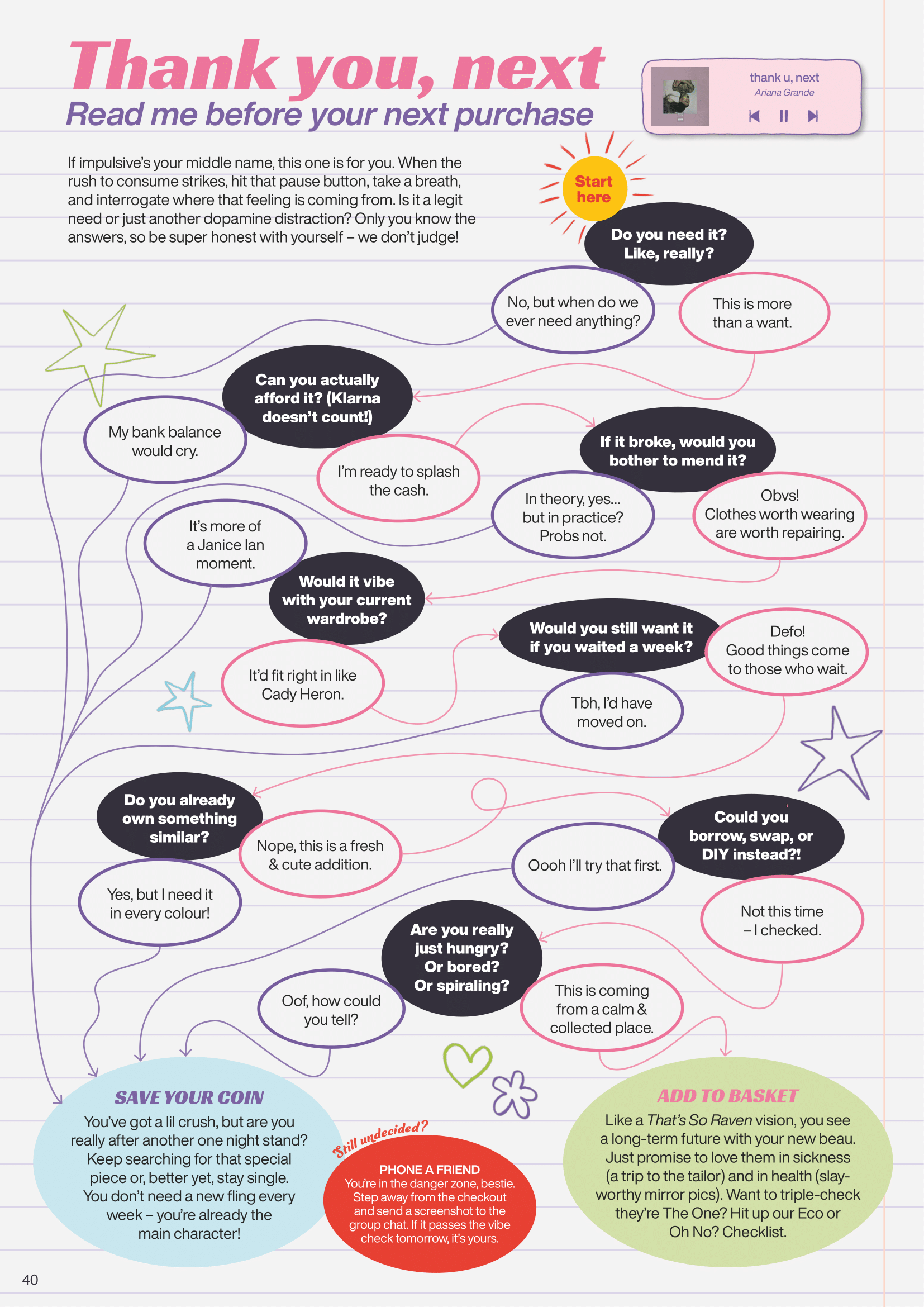
Read me before your next purchase 💋
Print mag #2 could have your name on it 💅
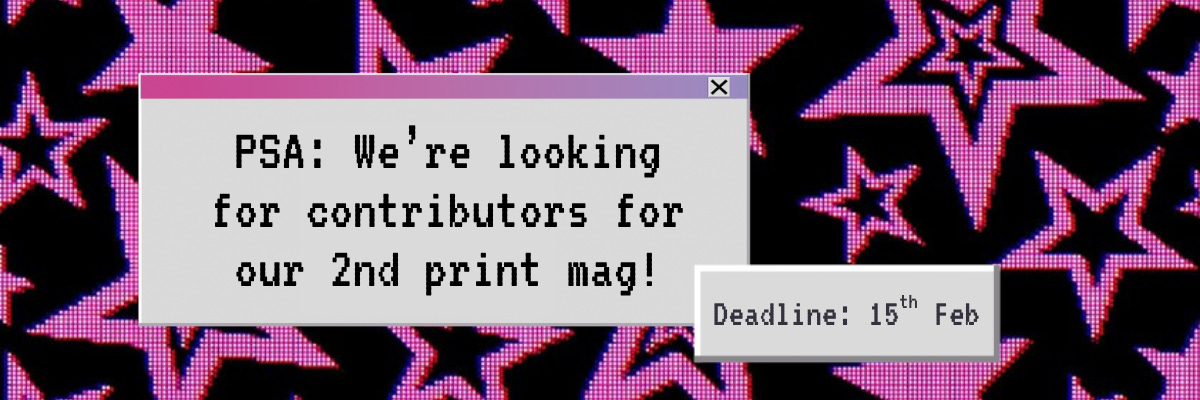
It’s official: we’re accepting pitches for our next print mag!!
This issue will be themed around fashion and politics, unravelling the ways it intersects with identity, culture, wealth, waste, health, conflict + more.
Peep this post for all the deets, and send your ideas to mag@not-buying-it.co.uk by Sunday 15th Feb! 💫
Enjoyed this month’s issue? Show some love by
🩷 Subscribing (if you aren’t already)
🩷 Hitting the heart button or leaving a comment
🩷 Sharing it on socials
See you next month! Mel xo
If you’d like articles on learning basic garment repair skills then Jeanna Wigger (co-author with me of Stitch It Don’t Ditch It) would do a great job. She’s @thepeoplesmending on Instagram or I can put you in touch.