

AI’m not buying it ✋
Fashion’s AI affair spells trouble for people & planet


Oh hey! You’re reading Not Buying It - the print + digi mag Big Fashion doesn’t want you to read. Today’s topic is a big one: gen AI in fashion. This issue is extra special because it was co-written with my faves Lauren Rees and Molly Porteous. Our gc - besties who yap - might as well be renamed “besties who slag off AI so much, we’re writing a whole issue on it”. Keep reading for:
🔥 Our take on why AI = ugly (and not just for the planet!)
💅 Tips for sitting out the AI hype
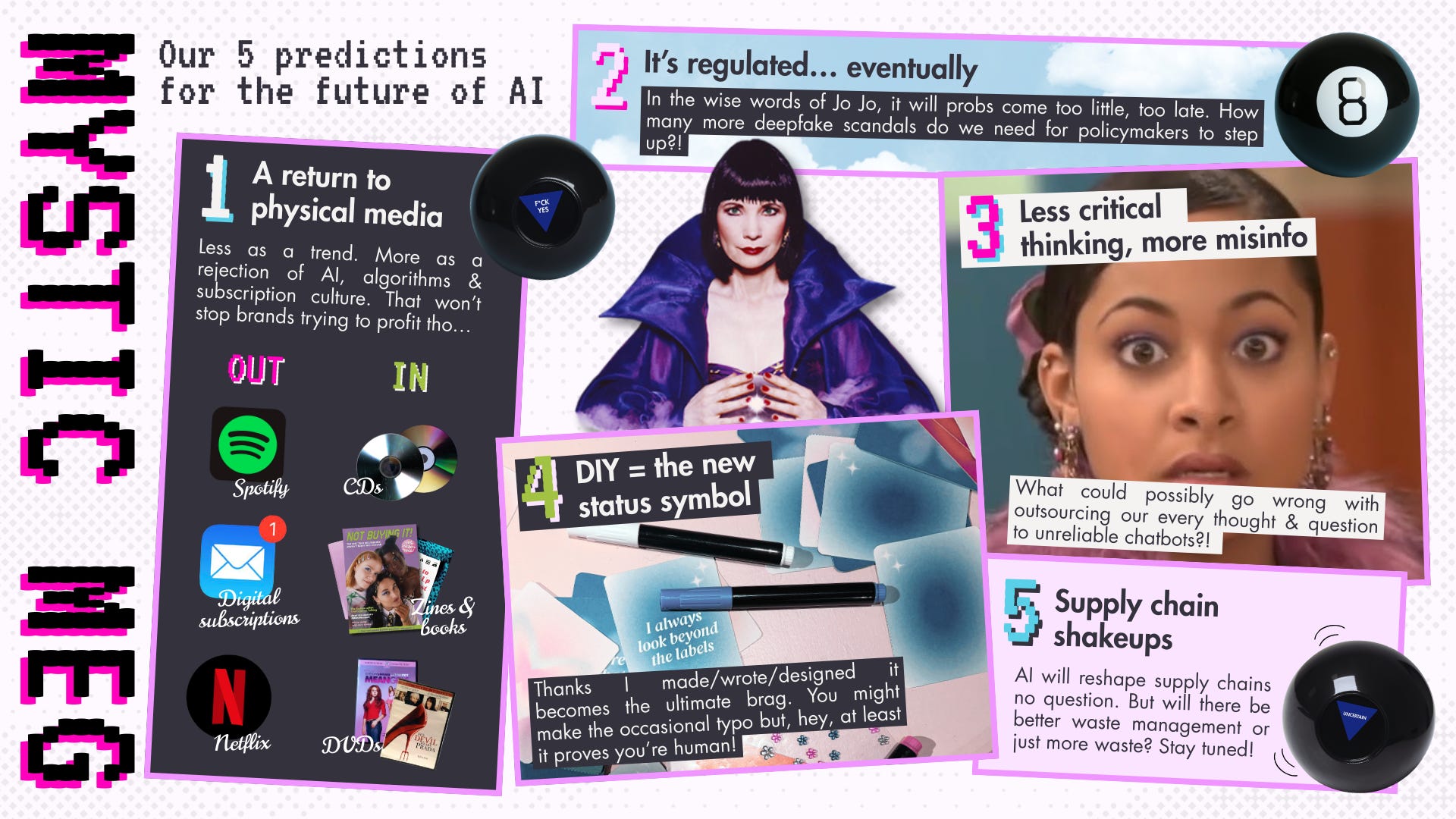
🎱 Mystic Meg’s predictions for the future of AI
If you like what you read, subscribe to get next month’s issue sent straight to your inbox!! 💖
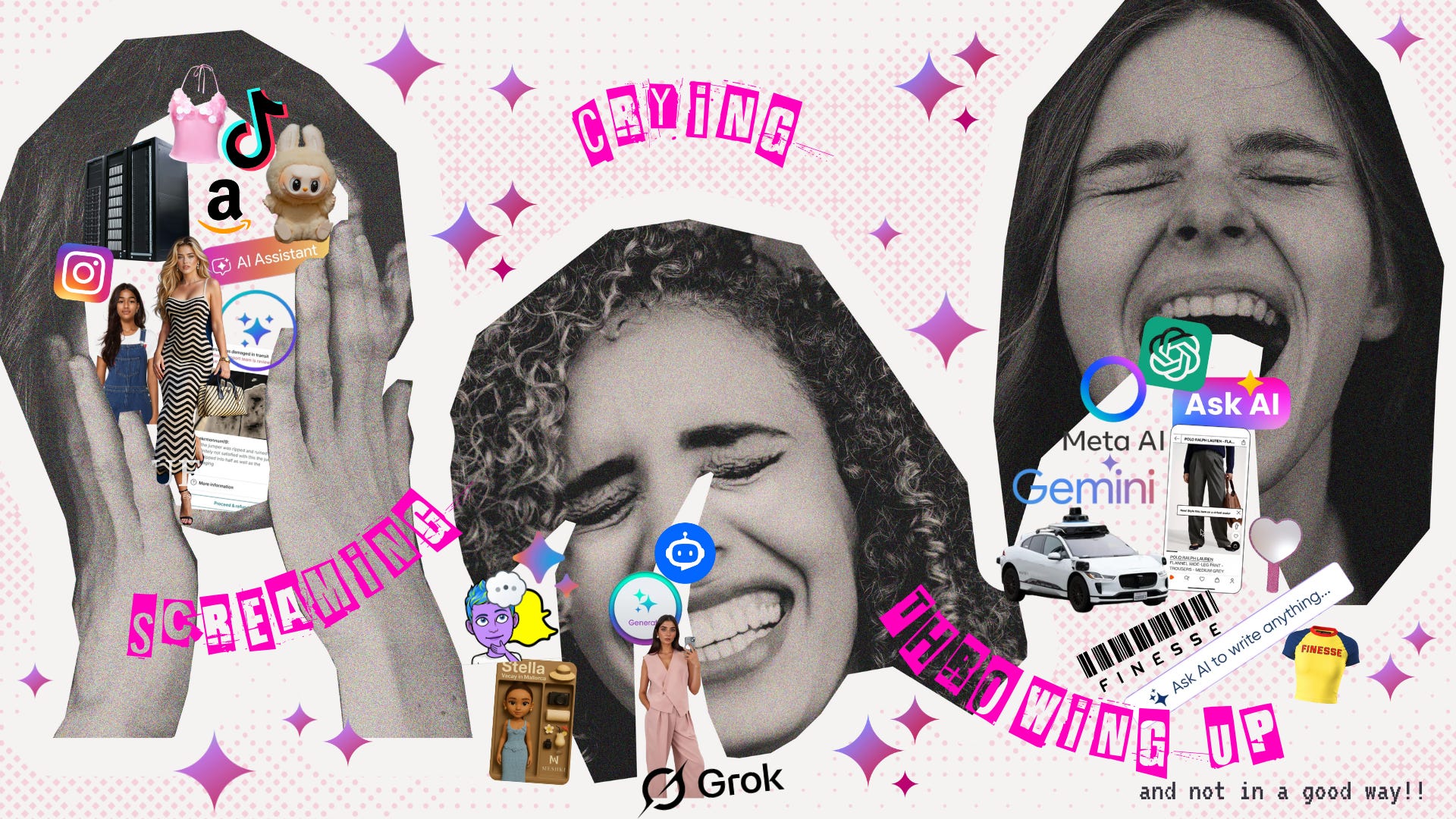
ChatGPT reminds us of Labubus. One day we woke up and it was 1) everywhere 2) constantly name-dropped IRL and 3) being duped 24/7. The speed we went from DIY divas to the new AI slop era is enough to give a gal whiplash. But unlike Labubu’s debatable shelf life, you can’t write an email, design something or even browse the web without an AI suggestion being shoved down your throat. Move over bag charms, AI is here to stay.
And Big Fashion is loving it! Generative AI is expected to add up to $275 billion in profits to the global industry by 2030. Cue the AI race where every brand is competing to integrate it into their product recs, virtual fitting rooms, customer service chatbots and more.
AI isn’t neutral; it’s a product of its coders’ and users’ biases. Sure, it’s easier to blame the tool than the people creating it, using it and (not) regulating it. But AI holds a mirror up to the industry’s worst impulses. Big Fashion is using it to cut even more corners, from design to marketing. We’re not buying it - here’s why:
(BTW when we say AI, we specifically mean the generative kind that has taken over our recent lives: the learning language models like ChatGPT, the tools that “create” content and the assistive tools that edit your work.)
It’s trash for the environment: AI uses up huge amounts of fossil fuel-powered energy. Around 16.4 billion Google searches are made every. single. day. Add Google’s hard-but-not-impossible-to-opt-out-of AI summary to the mix, and that’s climate kryptonite.
The AI obsession isn’t just scorching our planet. It’s impacting communities living near the data centres that run them. Data centres need tons of water to be cooled down which is putting strain on - and potentially contaminating - local water supplies. They’re loud af, with continuous humming and buzzing creating noise pollution. And most of them are disproportionately located in poorer communities of colour who are feeling the impacts the most. It’s another reminder that climate and social justice are two sides of the same coin.
Worker exploitation is being optimised: AI is giving fashion’s race to the bottom a speed boost. At Amazon, it’s reportedly being used to surveil warehouse workers, fire drivers who don’t meet their delivery targets and justify mass layoffs.
Shein loves to brag it produces minimal waste because it only makes what people want. Reality check: it drops over 1 million new products a week! Its AI-powered on-demand model shifts the burden onto factories who scramble to ramp up production with zero predictability. Guess who suffers when Shein demands a sudden surge on a best-seller? Garment workers forced to do overtime.
For its 2024 sample sale, ASOS installed an AI-powered bartering chatbot. Shoppers were encouraged to haggle for discounts on already cheap clothes in the same way a fashion brand haggles its already underpaid suppliers. It was super icky, devaluing garment workers’ labour. Again.
It’s not a stretch to imagine the ways AI could be turned into a repression tool on the factory floor. Algorithms could be installed to measure “productivity” or pre-emptively fire likely union organisers. And as the climate crisis rages on - in part, fuelled by the AI hype - more frequent extreme weather = more factory closures and job losses.
Conglomerates like LVMH are investing so much cash into AI while the people making Dior products earn poverty wages. If we take any sign that Big Fashion is gonna use AI for profits over people, this is it.
Creativity where? AI takes all the fun out of the creative process: the unexpected sources of inspo, the dopamine hit of overcoming a block, the trial and error part that makes us human. This is being replaced by “AI artists” who feed prompts into machines that reproduce real artists’ work in digital knock-offs. The result? Everything looks the same. It’s another symptom of our convenience culture where we live our lives on auto-pilot. Fast food, fast fashion, fast AI searches. Everything’s now a click away. BORING!!
AI is also stealing creatives’ jobs. Try not to cringe watching this Channel 4 doc where a fashion designer picks a clearly AI-generated image over a photographer’s work. The worst part is some fashion brands think replacing physical shoots with AI models is the “greener” option because it skips the travel part (which, let’s be real, is such a tiny % of their total footprint). AKA it saves them money if they no longer need to hire models, stylists, makeup artists, set creators and photographers. Gross.
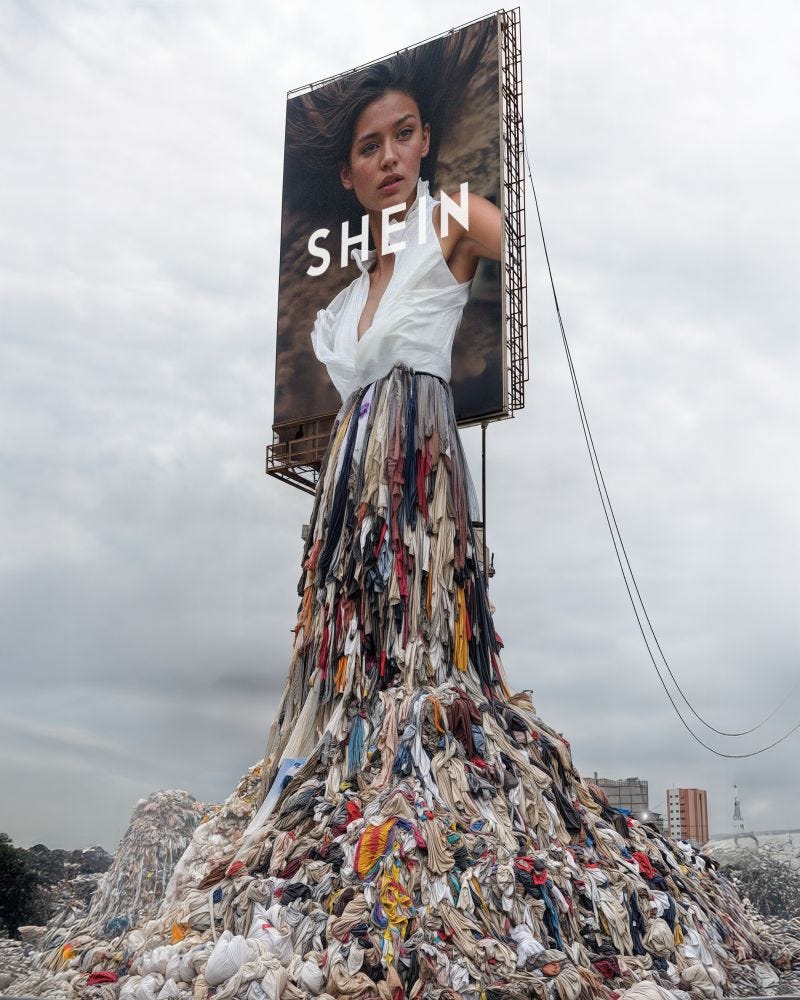
Does anyone else feel like they’re living in a gameshow asking you to spot the real climate images from the fakes? Virtual textile waste is just one example. See the viral Shein billboard vomiting out gross levels of clothes or Vestiaire Collective projecting fashion landfills onto iconic landmarks. It feels hypocritical to the cause but it also tells us a lot about ourselves. Like how we need shocking visuals of fashion’s sins to care. We personally prefer the clothing zombie. It’s confronting, illustrates the issue using secondhand clothes sourced in Sengal and supports the work of the Or Foundation. There’s no competition.
Empathy, but make it performative: We’ve even seen AI-generated images of garment workers being shared by the media, NGOs and LinkedIn’s “sustainability thought leaders”. This not only taps into the tired trauma porn trope, it completely sidelines issues of consent. It’s a cheap way to exploit workers’ pain without having to engage or pay them. These images reek of white saviourism, often playing into colonial stereotypes. Garment workers are treated as props for western superiority. Their lived experience is no longer theirs to share but a prompt to illustrate their decontextualised suffering.
By trying to represent workers with an artificial version of themselves, the human workers are instead rendered invisible. They’re robbed of their agency as the token victim. Aid NGOs are being called out for this. Imagine typing the prompt “child with a black eye” instead of giving impacted communities a platform to tell their own stories and share their demands? AI is only exacerbating this decades-long issue in the charity sector.
Brands might not be behind this trend, but they definitely benefit. It mimics their fave tactic: keeping workers hidden and silent. Enough with these desensitising, fake images. What we need is more ethical and dignified storytelling, support for worker-led orgs like Clean Clothes Campaign and year-round solidarity with real human workers.
It’s what greenwashing dreams are made of: As if we weren’t told to buy enough, AI is now part of the online shopping experience! And it’s regurgitating the same environmental lies the industry tries to sell us. When Vogue Business’ Sustainability Editor Bella Webb asked ChatGPT to recommend a responsibly made white tee, the results were pretty suss. Its sources included affiliate link-filled shopping listicles earning the publication a cheeky commission.
FINESSE, an AI-driven “fashion house”, boldly claims to be sustainable because it “never overproduces”. Instead, it monitors socials to repackage the latest trends and markets them using fake photos. We know nothing about the people making FINESSE’s stolen designs. Across the web, more and more shoppers are being fooled by products that look or fit nothing like the AI-generated image.
We now also have deepfake greenwashing to worry about. In 2023, a fossil fuel-funded think tank came under fire for sharing an AI-generated image of a dead whale by a wind farm to argue against off-shore wind projects. A few months later, a deepfake video of Greta Thunberg promoting “vegan grenades” did the rounds online. Now imagine brands doctoring a video of climate activists to promote their not-so-eco-friendly products. The greenwashing possibilities are endless!
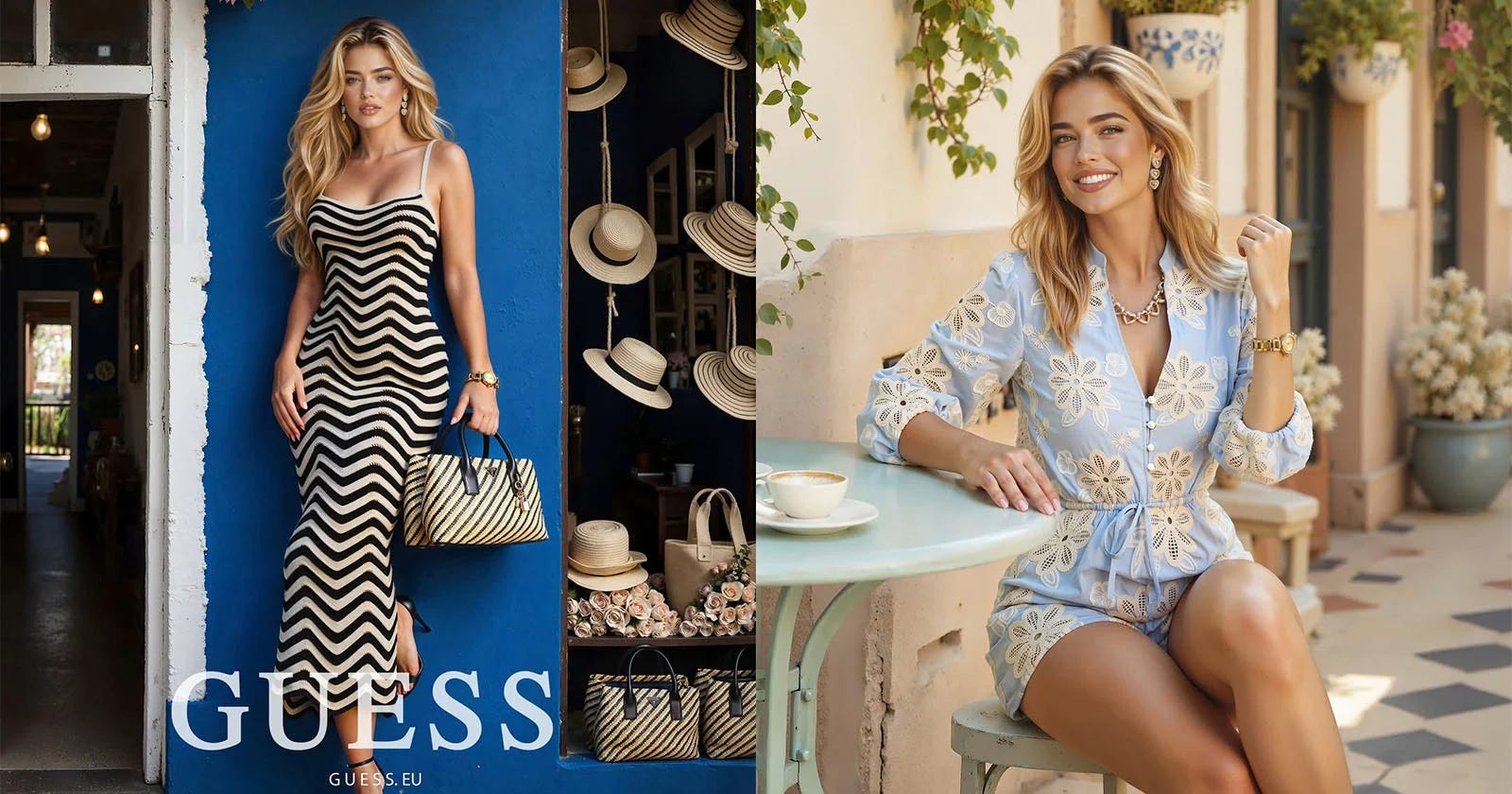
Diversity is taking a back seat: Last summer, Vogue ran an AI-generated Guess ad featuring a predictably white, slim and blonde synthetic model. When brands are ditching their DEI commitments, skinny-tok is replacing the body positivity movement and trad wives are the poster girls of facism, this move signals something deeper. We feel like we’re back in the early 2000s. AI-generated models are promoting the same Eurocentric beauty standards that cater to the male gaze. Except we’re no longer comparing ourselves to an airbrushed model. We’re now being pitted against digital avatars, a collection of pixels promoting an unattainable aesthetic.
Some brands are trying to flip the script - not by hiring Black and brown models but by recreating their likeness. In 2023, Levi’s was called out for digital blackface. Its excuse? It was using Black AI models to “increase the number and diversity of our models for our products in a sustainable way.”
It’s not the only one cashing in on the diversity illusion. In 2024, fashion and lifestyle magazine SheerLuxe hired Reem, a human bot of seemingly Middle Eastern heritage. It set up a new Instagram account to show Reem “at work” instead of employing an actual woman of colour as its next editor. Sometimes the Black Mirror episodes write themselves.
Big Fashion’s logic? They’re “supplementing” their campaigns (the quiet part: at speed for less money), not replacing models or substituting IRL inclusion. Customers, they insist, can now see their products on more models that look like themselves. Cool, but why not just hire real people for the same effect?! It has huge parallels with brands sidelining Black and brown people throughout their supply chain: the women who make their clothes, the creatives trying to climb the rigged career ladder, the communities on the frontlines of the textile waste crisis. When AI is only as good as a brand’s intention, it’s currently serving fashion’s racial capitalism project of exploitation and extraction.
TLDR: thanks, A-I hate it!
AI isn’t fixing fashion. It’s maximising profits, optimising exploitation and streamlining harmful business models. We can’t expect it to solve the industry’s problems when it’s being adopted by the same corps responsible for this mess. And this is just fashion we’re talking about! When we look at the global picture, there’s so many reasons to sideye AI. Like deepfake porn, chatbot therapists and recruitment bias.
AI’s rise to fame also isn’t inevitable; it’s manufactured. When H&M paid models to use their “digital twins” in upcoming campaigns, it claimed it was embracing the future of tech in a “human-centric” way. This feels more like an excuse to compete with Shein. H&M is forgetting that it’s a rich corporation that sets trends. It’s not responding to pressure, it’s creating it.
We’d be lying if we said AI doesn’t have its uses, like monitoring human rights abuses or improving healthcare (although it’s not risk-free). But generative AI? That has no place anywhere, not when it comes at the cost of our creativity, jobs and shared home. For garment workers fighting for their rights, for communities who deserve clean air and drinking water, for artists trying to pay their bills - there’s so many reasons to opt out.
10 ways to live an AI-low life
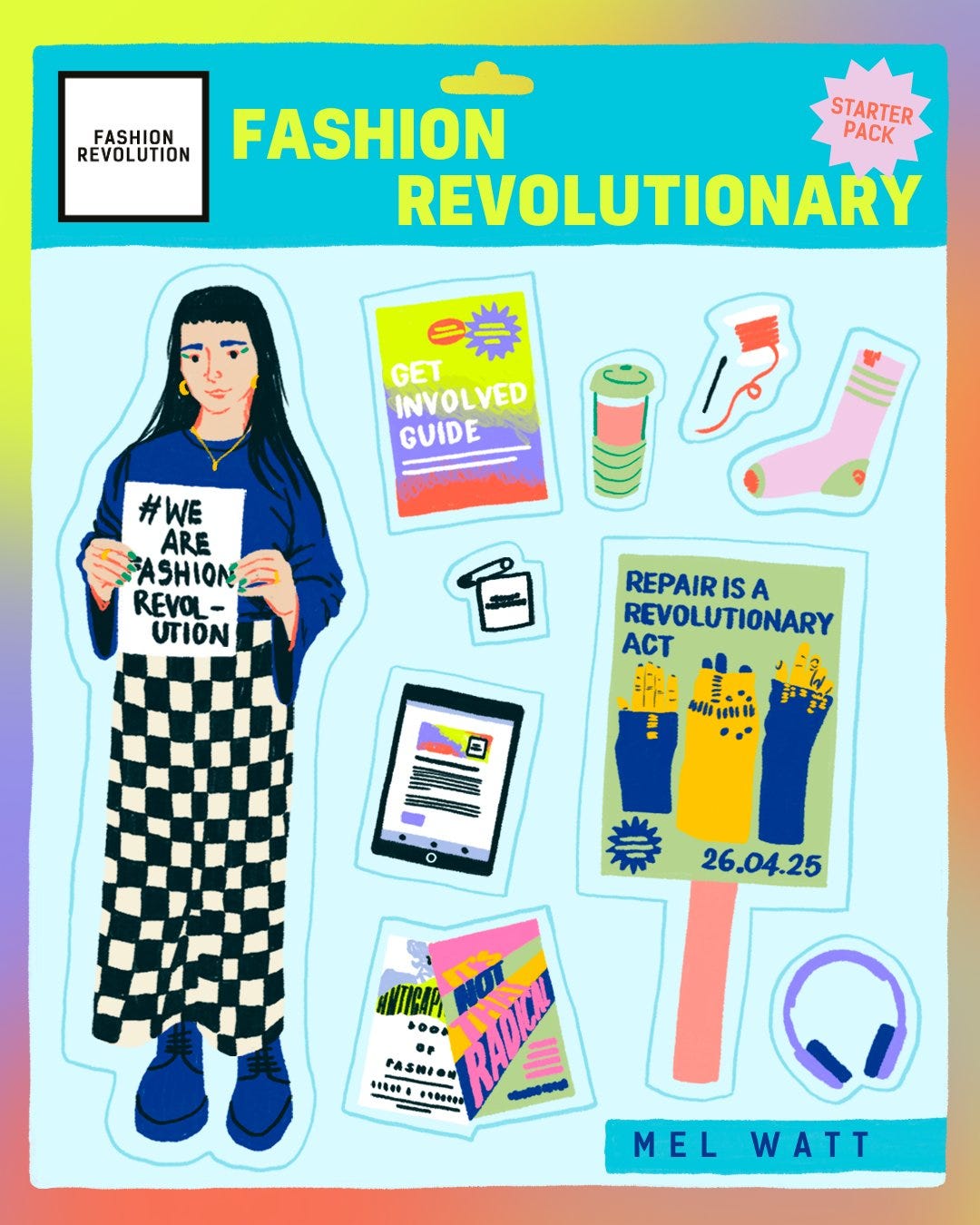
We get it, it’s tricky to avoid completely. AI’s in our email spam filters, maps and banking apps. But there’s still lots of ways you can limit your usage and push for deeper change!
✋ Disable AI searches: It’s deffo getting harder to find AI-free options - even Ecosia has a “green” AI bot - but it’s not impossible. Browsers like Vivaldi are “keeping browsing human”. You can also type -AI in Google searches but that’s long and it’s a shitty company on the BDS list.
🔎 Become an AI detector: Hidden disclaimers, metallic vocals, extra fingers, objects blending into each other, tell-tale phrasing, a dreamy filter. Once you know what to look for, it’s obvious when something’s AI-generated. Bookmark guides to spotting AI-generated content (like this one) and call it out when you see it!
🤫 Tell Meta to mind its business: Check your permissions and opt apps like Instagram out of using your content to train their AI models. Look out for platforms like Tiktok and CapCut who make it a mandatory part of their t&cs.
❌ Switch AI features off: Need an editor? Ask your friend or colleague to proof-read your work. Need some inspo? Pick up a book. (From experience: when you disable Alexa, Siri or Gemini, you quickly realise how much you depended on them for everyday tasks we’ve been doing forever. We can set our own alarms thanks!)
🩷 Show up for creatives: Browse #NoToAI to find creatives you love. Support their work with a purchase, follow or repost.
🌱 Touch grass: We hate to admit it but sometimes the best antidote really is turning off your screen and getting outside! Click me for more anti-consumerist self-care tips.
🎨 Rewrite AI trends: Ditch the filters and recreate the next viral AI trend in your signature style.
📚 Fall down a research rabbit hole: Because when you deep the extent of online harm, there’s no turning back! Start by reading Logging Off, Race After Technology and The AI Con. We also learnt a lot from this podcast ep.
🎤 Call on policymakers to step up: We’re already seeing some regulation in places like Italy but gimme more! Lend your support to campaigns like Stop AI Stealing the Show and Make It Fair.
👄 Tell a friend to tell a friend: When social media traps us in our echo chambers, put your friends onto posts like these. The more we speak out = the less normalised AI is.
We shook a magic 8 ball & this is what it said (promise) 🎱
Enjoyed this month’s issue? Show some love by
🩷 Subscribing (if you aren’t already)
🩷 Hitting the heart button or leaving a comment
🩷 Sharing it on socials
 | A guest post by
|
 | A guest post by
|
Loved this, so well put!
Such a good read Meg 🫶